



In the sea, there are some animals with which it is desirable to avoid close encounters. Apart from the well-known hedgehogs and jellyfish, there are also so-called poisonous fish of various species.
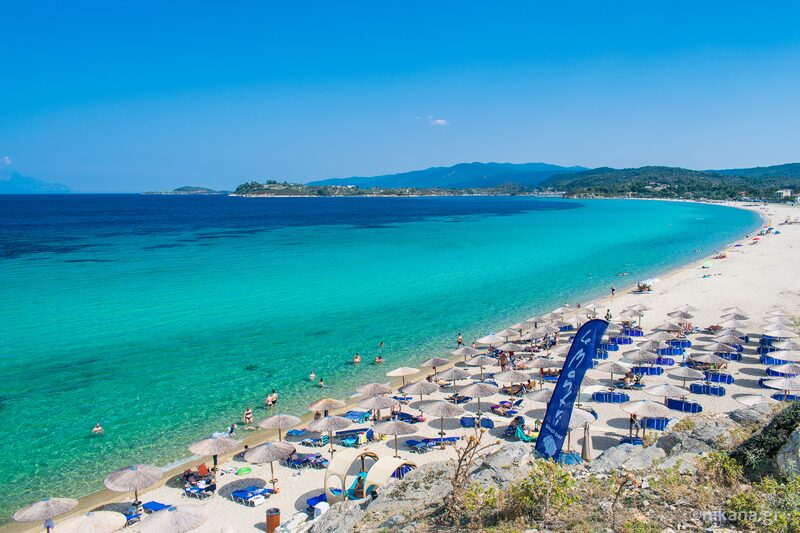
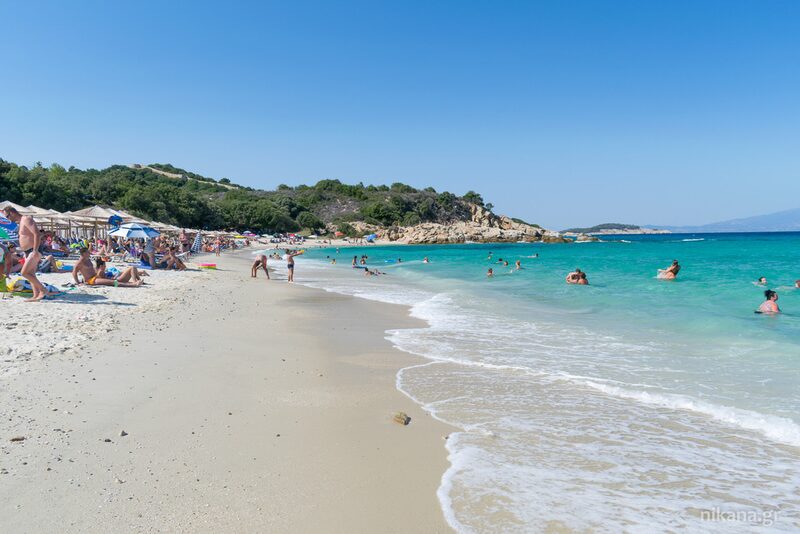
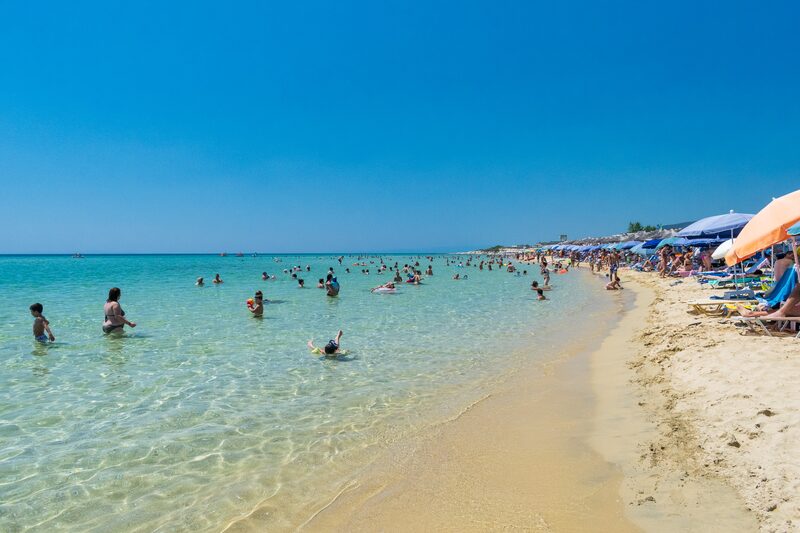
On Thassos, it has happened multiple times that tourists step on a poisonous fish at Paradise Beach and Aliko. They are probably equally present on all beaches, but these beaches are the most visited, so the most common cases occur there. And just to emphasize, stings from these fish are very rare and there is no need to fear.
Enjoy your vacation, and below you can read how to react if you happen to step on a poisonous fish, hedgehog, or get stung by a jellyfish.
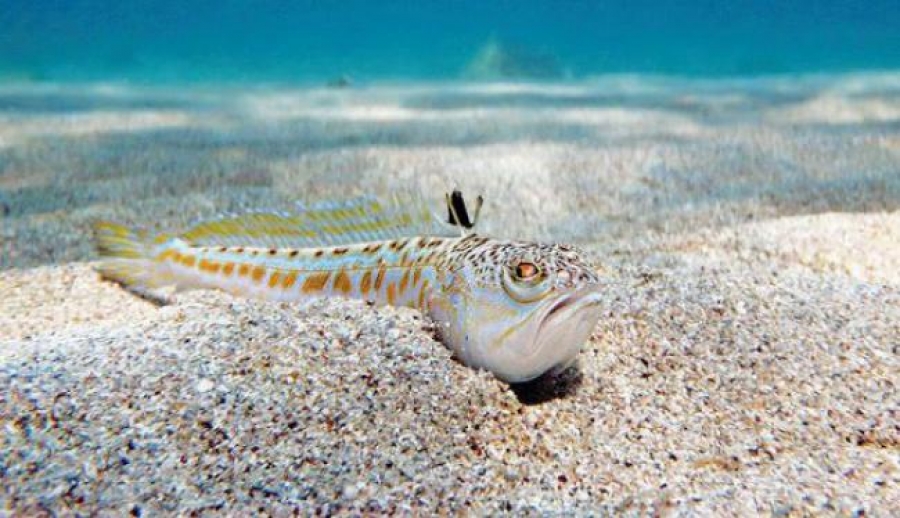
FISH SPIDER (DRACENA): very painful sting
In the entire Mediterranean region, including the Adriatic Sea, there is a fish with poisonous spines called by various names. Greeks call it Dracena, and in our region it is called fish spider, dragonfish, dragana… It is a fish up to 10cm in size and usually dwells half-hidden in the sand and mud. It has the color of sand, making it difficult to notice. It has black spines on its back that inject poison into your body when stepped on.
What is characteristic of a sting from this fish is a very intense pain that develops to its full strength within half an hour after the sting. The pain is so intense that it is barely tolerable. Poisoning symptoms are usually only local, but sometimes general symptoms such as increased sweating, weakness, dizziness, nausea, and vomiting can occur.
When stung, it is important to remain calm and seek medical help to possibly receive an injection for allergies or antibiotics if the doctor deems it necessary. There is no need to wrap or close the sting site. What you can do as first aid to alleviate the pain before visiting a doctor is to soak the sting site in warm water (for an hour and a half or longer), as warm as you can tolerate without causing burns. High temperatures weaken the effect of the poison.
In addition to swimmers who walk barefoot in shallow waters, common victims of the fish spider are fishermen or housewives preparing fish for meals. Therefore, in some countries, fishermen are legally required to cut off the poisonous spines immediately after catching them.
A sting from the fish does not cause death, only intense pain or, in some cases, more pronounced allergic reactions.
Scorpion fish also have poison in their fins, they are found in rocky areas, and stings mostly occur among fishermen, not swimmers.
Field Experience: Tips from the Health Center on Sithonia
During the summer months, health workers in Sithonia often encounter tourists who have been stung by the fish spider (dragana). Based on years of experience from Branislav Kneginjić at the local health center, we bring you key medical facts and first aid tips. The sting from this unattractive fish, which often burrows in the sand in shallow waters during June and the summer months, can be extremely unpleasant. The fish spider has spines on its back that release poison. Although this poison is not life-threatening in medical terms and rarely leads to complications or infections in practice, it causes a terrible, sharp, and unbearable pain.
Key first aid for a sting: The poison from the fish spider is thermolabile, which means that high temperatures successfully neutralize it. The most effective way to immediately stop the pain is to immerse the injured part of the body (usually the foot) in warm water as soon as possible - as hot as you can tolerate without burning yourself. On wild beaches, warm sand or even a warm motor exhaust can be used for this purpose. Heat will quickly neutralize the effect of the poison, after which the pain disappears. If you are unable to apply this type of first aid immediately or if the pain persists, you should seek help at the nearest health station where doctors can provide local anesthesia to instantly block the pain and treat the sting site.
More information on this topic can be found in the Live from Greece group.
JELLYFISH AND MAN O’ WAR: First aid for stings
Jellyfish cause a burn using stinging cells covering their tentacles. These cells inject poison into the human body, causing sharp pain and burning.
Jellyfish appear only during certain periods in the sea and are often found in swarms. Not all jellyfish are poisonous, but it is still necessary to avoid them and not check their danger.
After being stung by jellyfish, it is important to remain calm and get out of the water or help others in such a situation. The sting site should be rinsed only with seawater, never freshwater as it can worsen the symptoms. For rinsing, wine, brandy, or acetic acid (liquids containing methyl alcohol) are suitable. Urine, rich in ammonia, can also help.
It is also important not to touch the wound with bare hands because if jellyfish tentacles remain on the skin, you can burn your hands. In this case, it is best to cover the wound with sand, shaving foam, or flour and scrape off the remnants with the blunt side of a knife, a nail file, or if none of these are available, with a personal identification card, credit card…
Once the poison is neutralized in this way, it is necessary to receive an antiallergic injection, seek shade. If you feel nauseous and have the urge to vomit, a visit to the doctor is necessary.
Almost all stores sell a roll-on called AFTER BITE, which is used to relieve pain and swelling after mosquito bites, but also after jellyfish stings.
SEA URCHINS: How to safely remove spines
Sea urchins are also among poisonous animals. They are mostly found in rocky parts of the coast, not in the sand.
After being pricked, the spines break and remain in the skin. Redness and swelling occur at the sting site. If the spines are not removed, they can penetrate deeper into the skin and cause more significant problems. Vinegar can serve as first aid. It is best to soak the sting site in vinegar or, if that is not possible, apply vinegar compresses. Of course, it is advisable to disinfect the sting site with alcohol to prevent bacterial infections. It is not recommended to try to remove the spines with a needle yourself, as it can lead to infections. If the stings are deep, it is best to seek medical help.
INVASIVE SPECIES: Lagokefalos Fish (Rabbitfish) – Instructions from the Greek Red Cross
In recent years, an increasing presence of an invasive fish species known as Lagokefalos (Lagocephalus sceleratus), nicknamed “rabbitfish” by the locals due to the specific appearance of its jaw resembling a beak, has been observed in Greek seas. You can view it in this video.
In light of this phenomenon, the Greek Red Cross has issued an official statement with key warnings and clear first aid instructions.
Important warning regarding consumption: This fish contains an extremely potent neurotoxin (tetrodotoxin). No part of this fish is safe to eat, and consumption can be fatal! If you catch it, do not prepare it for food.
What if the fish bites you? The bite itself is not toxic (it does not release poison through the bite), but due to the extremely strong beak-like jaws, a bite from this fish can cause serious injuries, deep wounds, and severe bleeding. According to the official instructions from the Greek Red Cross Health Department, in case of a bite, the following first aid steps should be taken:
- Immediate wound cleaning: Rinse the wound immediately with plenty of clean running water and soap. Note: Do not use local antiseptics on your own, without a doctor’s prescription.
- Stopping the bleeding: Apply firm pressure to the wound with a clean cloth or bandage. If the bleeding is severe, maintain constant pressure and, if the bite is on a leg or arm, keep the injured limb elevated.
- Emergency medical assistance: Seek medical help immediately. A bite wound from this fish requires specialized care, tetanus, and possibly stitches if the wound is deep.
- Remote areas: If the incident occurs on a wild or remote beach, or if the bleeding is uncontrollable, immediately call Emergency Medical Services at 166 or the European Emergency Number 112, and continue to apply pressure to the wound until medical help arrives.
We are always here to help you explore Greece! Follow us for the latest information, useful tips, and authentic experiences to have an unforgettable vacation in Greece!
We offer over 3,000 accommodations. Choose the one that suits you and your family by clicking HERE.
If you want us to recommend accommodation based on your preferences, write to us directly at nikana@nikana.gr and you will receive suggestions as soon as possible.
Follow us on social media where we regularly share exclusive offers, discounts, and special packages for summer vacations in Greece, as well as information, tips, and useful news.
- Facebook:Nikana.gr
- Instagram: @nikana.gr
- Tiktok: nikana.gr
- Facebook group: Live from Greece
- YouTube channel @NikanaTravel
- Email us at: nikana@nikana.gr
Our website nikana.gr is the leading source of information about Greece in the Balkans.