












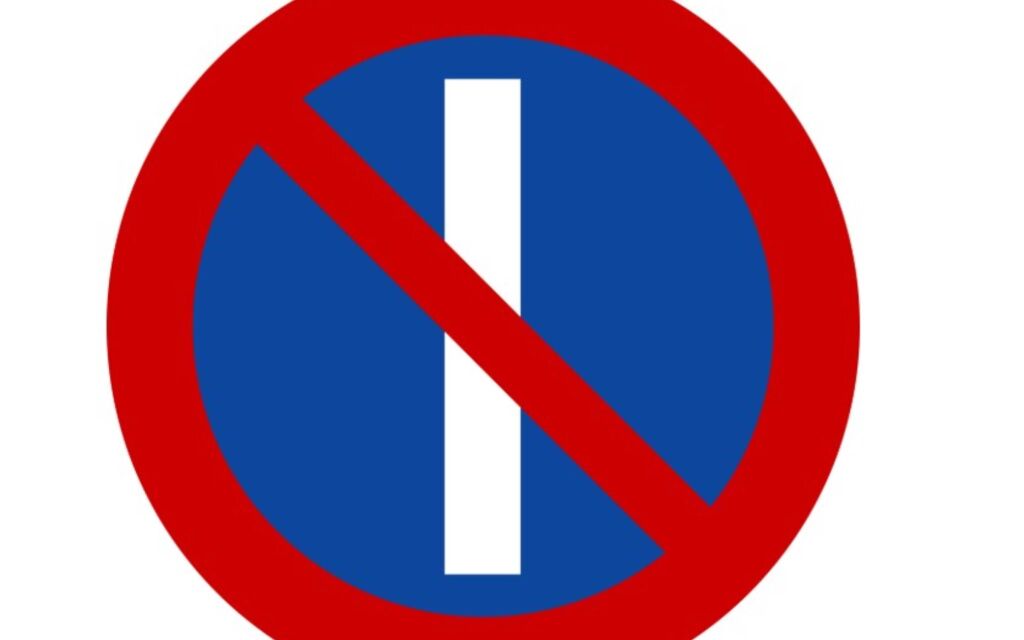
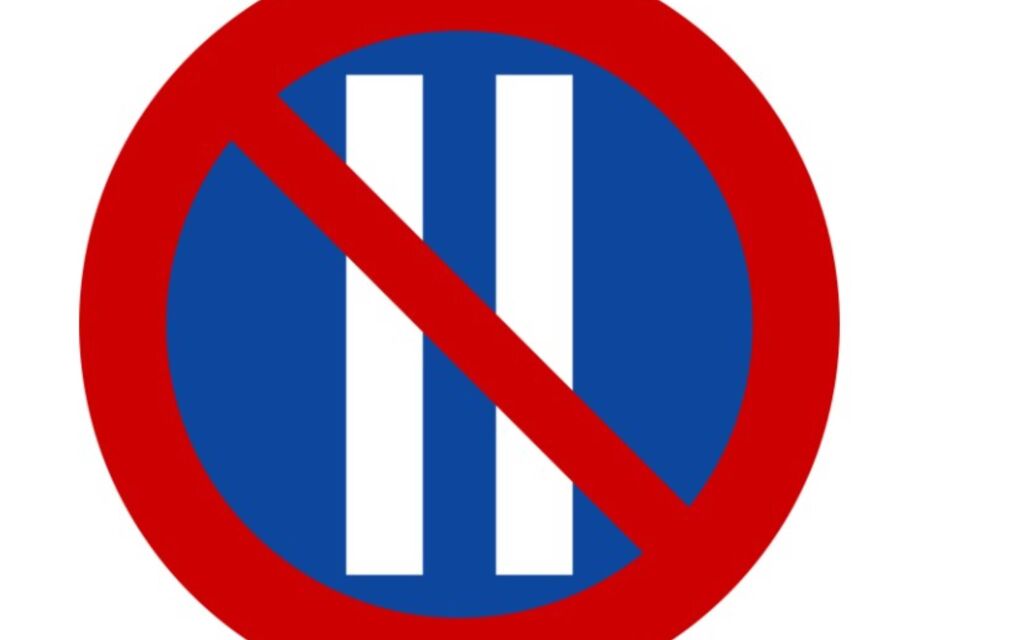
All those who have at least once driven through cities or resorts in Greece have noticed specific traffic signs prohibiting parking, with vertical white lines (Roman I or II) on them. Among drivers, there are often debates about what exactly these signs indicate and how they function, so we bring you a detailed and official explanation according to Greek law.
What do signs P-41 and P-42 mean?
These signs indicate alternate parking restrictions by months:
- Sign with a single vertical line (P-41 / I): No parking on that side of the street in odd months.
- Odd months: 1, 3, 5, 7, 9, 11. month (January, March, May, July, September, November).
- Sign with two vertical lines (P-42 / II): No parking on that side of the street in even months.
- Even months: 2, 4, 6, 8, 10, 12. month (February, April, June, August, October, December).
Important note:
Parking prohibition applies exclusively on the side of the street where the sign is placed, from the location of the sign to the next intersection.
How does this rule work in practice? (Most common misconception)
Many drivers wonder what the signs indicate and where to park? Many of our followers have written to us sharing their experiences and say they often give up on parking on that street and go find another spot. Here is what the signs exactly mean and what to do.
- The signs are permanently placed on both sides of the street. On one side, the P-41 (I) sign is fixed, and on the opposite side, the P-42 (II) sign.
- The driver is the one who consults the calendar:
- Example for JULY (7th month - odd): On the side of the street with the single line sign (I), parking is prohibited. On the opposite side of the street (where the two-line sign is), parking is allowed.
- Example for AUGUST (8th month - even): No one moves the signs, but the rule rotates! Now parking is prohibited on the side with two lines (II), while the side with one line is free for parking.
Why does this rule exist in Greece?
The purpose of these signs is practical and traffic-related, especially in narrow city streets:
- Equality for residents and businesses: If parking prohibition was permanent on only one side of the street, residents and businesses on that side would be at a disadvantage throughout the year. By rotating monthly, both sides of the street have equal parking rights for six months a year.
- Traffic flow and safety: Double-sided parking in narrow streets would block the passage of cars, as well as emergency vehicles (firefighters, ambulances, municipal vehicles).
- Street maintenance and cleaning: Periodic change in parking side allows municipal services easier cleaning and maintenance of streets or trimming trees on the free side.
What are the penalties for not respecting these signs?
According to the new Greek Traffic Safety Code (K.O.K.) - Article 108 (Offense Categorization), disregarding no-parking signs falls under the E1 category of offenses (subcategory E1-B):
- Fine: 30 euros
- Protective measure: Suspension of driver’s license for 10 days
- (In practice, it is possible to also remove license plates or tow the vehicle if it obstructs traffic).
Official source and law
- Traffic Safety Code - Κώδικας Οδικής Κυκλοφορίας - Κ.Ο.Κ.
- Article 4 (Άρθρο 4): Definition of traffic signs Ρ-41 and Ρ-42.
- Article 108 (Άρθρο 108): Offense categorization and amount of administrative fines.


