


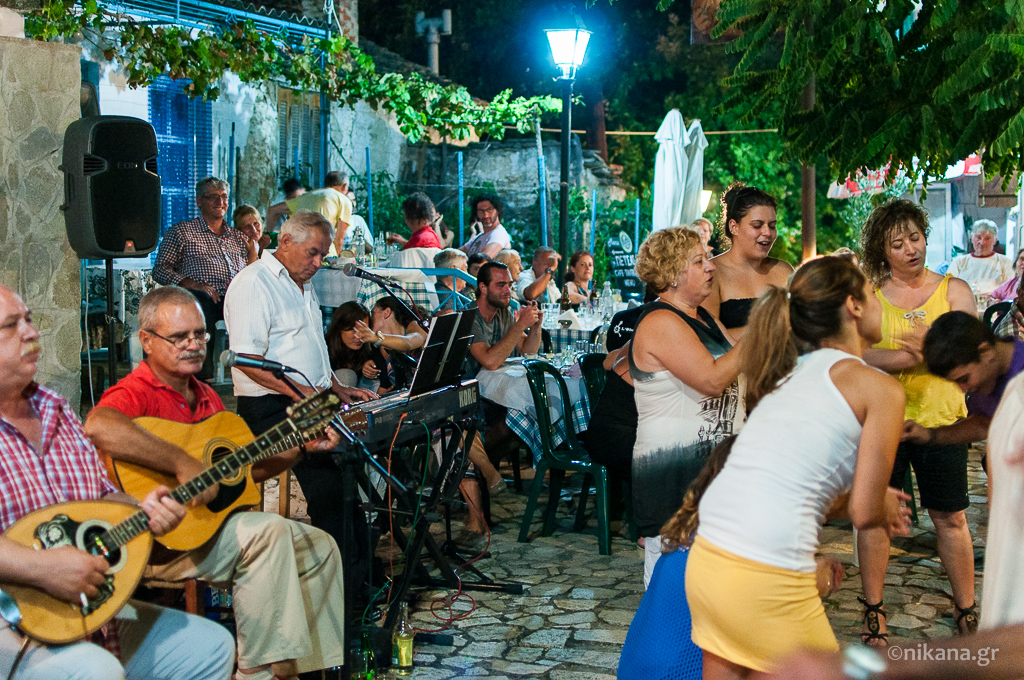
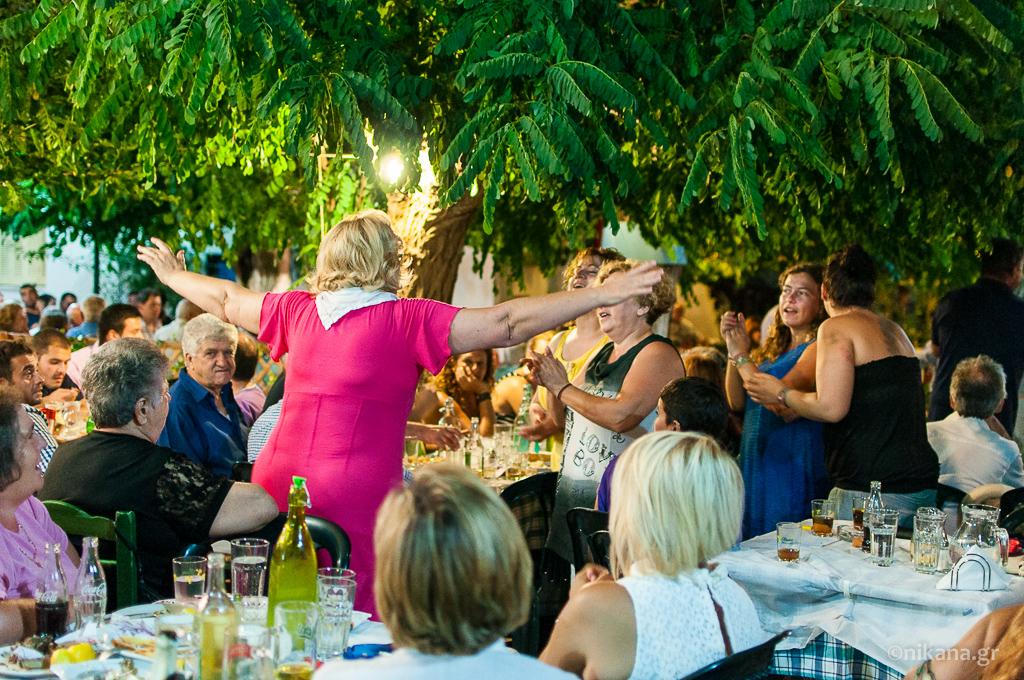
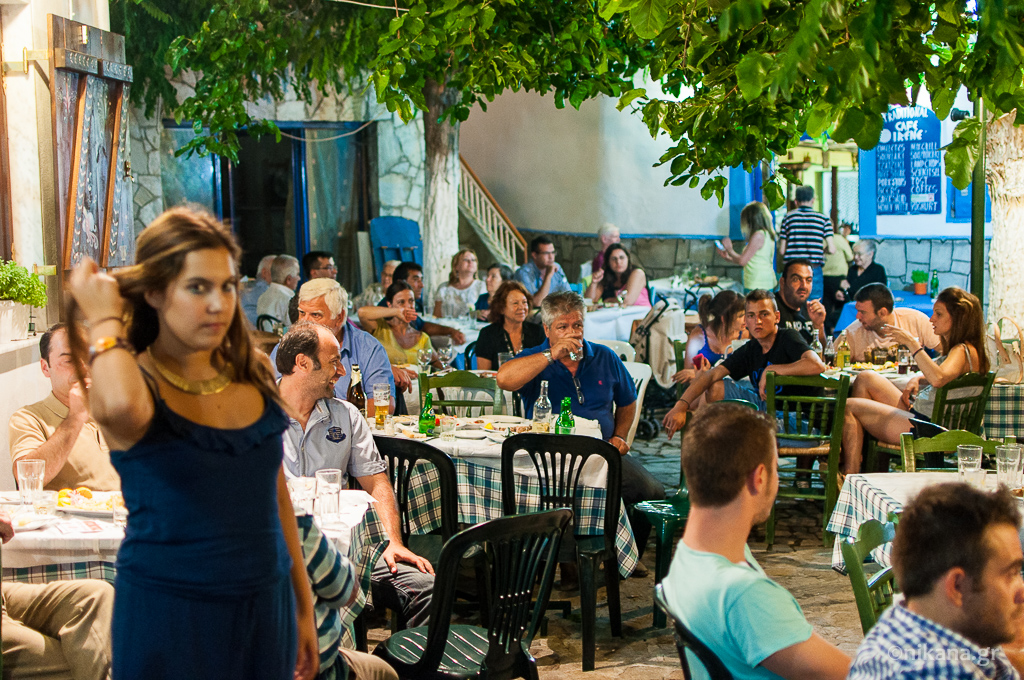
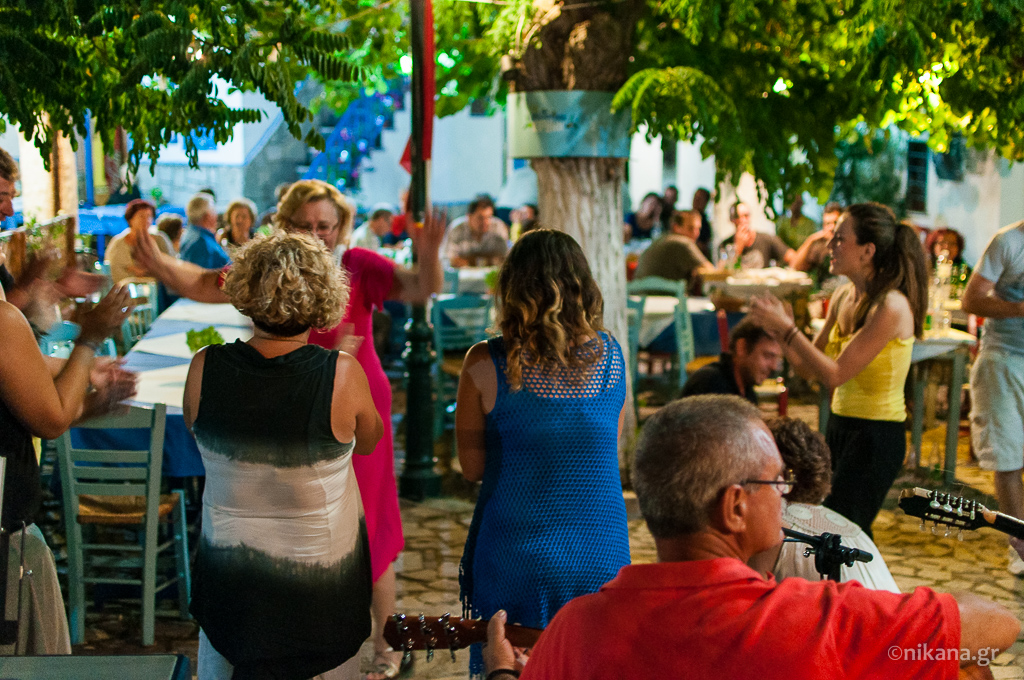
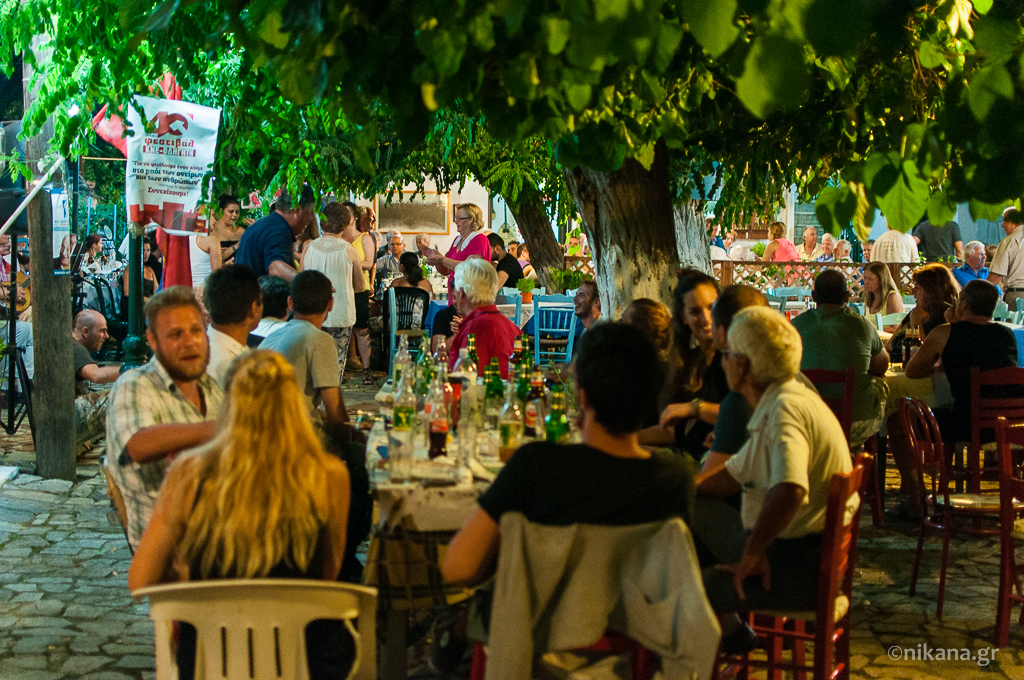
The Great Feast of the Assumption (August 15th) in Greece is much more than a religious holiday - it is a “little Easter” and a day when the whole country stops to celebrate life, unity, and tradition. For tourists who find themselves in northern Greece, this is a unique opportunity to experience the famous panigiria - celebrations that combine liturgy, bouzouki music, folk dances, and local gastronomy.
Keep in mind that August 15th is a public holiday throughout Greece. Shops are closed, and restaurants in the areas where the celebration takes place are booked days in advance. Expect increased traffic congestion as most Greeks from all parts of the country and the world come to celebrate this holiday.
While celebrations in northern Greece unfold through processions and communal meals, other parts of the country hide incredible phenomena - from snakes appearing in churches to pilgrimages on knees. For a complete guide to celebrations across Greece, from the Cyclades to the Ionian Islands, check out our main article: The Great Feast of the Assumption in Greece: Customs, miracles, and the biggest panigiria.
Where is the Great Feast of the Assumption celebrated in Sithonia
- Sarti: In the local church, the miraculous icon of Panagia Eleousa (Virgin of Mercy), brought by immigrants from Asia Minor, is kept. The most solemn moment is the evening before the holiday (August 14th), when the faithful and clergy in a procession carry a floral epitaph through the narrow streets of Sarti.
- Agios Nikolaos: This is the place for those seeking an authentic celebration. Traditional live music and folk dances are organized on the main square. If you plan to have dinner here, reserving a table is mandatory several days in advance.
- Poligiros: The capital of Halkidiki offers a celebration focusing on folklore and traditional games of the region.
Kassandra: Legends and tradition
- Nea Skioni (August 23rd): Special attention is given to the chapel of Panagia Faneromeni, located 2 km from the village. The church is built on the shore and houses an icon painted on a marble pedestal. Local legend says that the icon “weeps” in times of great need. Although the central holiday is on August 15th, the peak of the celebration here is on August 23rd with a procession from the village to the church.
- Pefkohori, Kriopigi, and Afitos: These places are ideal for tourists as they offer a combination of religious ceremonies (processions on the evening of August 14th) and modern evening entertainment by the sea.
Mysteries related to icons of the Virgin Mary are not uncommon in Greece. However, the most famous phenomenon that baffles both scientists and believers every year occurs in Kefalonia. For details, check it out here: The Mystery of the Virgin Mary’s Snakes in the village of Markopoulo.
Athos: An authentic experience in Megali Panagia
If you want to escape the tourist crowds and see how Greeks celebrate in the countryside, head to the village of Megali Panagia.
- Miraculous spring: The village is known for its holy spring and monastery, which is the seat of the Metropolitan.
- Sacrifice: On the night between August 14th and 15th, a vigil is held, and the next day a traditional sacrifice is prepared - free food (usually meat with rice) for all visitors. The feeling is authentic, festive, and very warm.
- Nea Roda: Just like in Nea Skioni, August 23rd (Nine Days of the Virgin Mary) is celebrated here with special solemnity.
While Megali Panagia preserves the spirit of the mountain of Athos, there is a place on the island of Lesbos known as the ‘Little Jerusalem’ of the Aegean Sea. In the village of Agiassos, pilgrims walk barefoot 25 kilometers to an icon from the year 803, and once, two visits there were considered equivalent to one to the Holy Land, granting the pilgrim the title of ‘Haji’. Learn more about this incredible tradition here: Lesbos: A Pilgrimage that Earned the Title of Haji.
Thassos Island: Panagia as the center of the world
The celebration on Thassos is most festive in the village that bears the name of the holiday - Panagia.
- Procession (August 14th): The evening before the holiday, a procession with the epitaph passes through the village, creating an incredible ambiance with stone houses and narrow streets.
- Communal lunch (August 15th): After the liturgy, women from the village serve a traditional meal (meat with onions, rice, and potatoes) with homemade wine in the churchyard.
- Other places: Celebrations also take place in Potos, Rahoni, and the monastery of Panaguda in Marijes, where music on the village square often lasts for days.
Overview of celebrations in northern Greece
| Place / Region | Date | What to expect? |
|---|---|---|
| Village of Panagia (Thassos) | August 15th | The biggest celebration, traditional lunch, and bouzouki music |
| Sarti (Sithonia) | August 14th and 15th | Solemn procession with an icon from Asia Minor |
| Megali Panagia (Athos) | August 15th | Authentic “sacrifice”, vigil, and forest shade |
| Nea Skioni (Kassandra) | August 23rd | Procession to the church on the coast and a legend of the weeping icon |
| Agios Nikolaos (Sithonia) | August 15th | Big folk festival on the square with live music |
| Potos and Marijes (Thassos) | August 15th | Local panigiria with folk games |
The celebration in northern Greece is just a fraction of the tradition, faith, and spirit that Greece offers on August 15th. If you are interested in where mysterious snakes with crosses appear, where ships with torches enter the harbor, or which island dances into the dawn, explore our Guide to the Panagia celebration - places and customs across Greece.
No matter which place you choose, be prepared for the crowds, but also for that wonderful, solemn feeling of belonging to a community that only Greece can offer.
CHECK ACCOMMODATION IN NORTHERN GREECE, HALKIDIKI, AND THASSOS


