


Crete is changing! Planning a trip to Crete? Discover about the new VOAK highway and Kasteli Airport. Cut travel time between Chania and Heraklion to 70 minutes.
If you have ever driven along the northern side of Crete, you know how tiring that road can be. It’s not just about the kilometers, but the curves, slow sections, and the feeling that the journey lasts longer than expected. That is why the news of the construction of the new northern highway in Crete - VOAK (Northern Road Axis of Crete) - is not just another infrastructure announcement. It is a project that alters the daily life of the island, as well as the experience of all those who come to Crete by car.
What is VOAK and why is it so important?
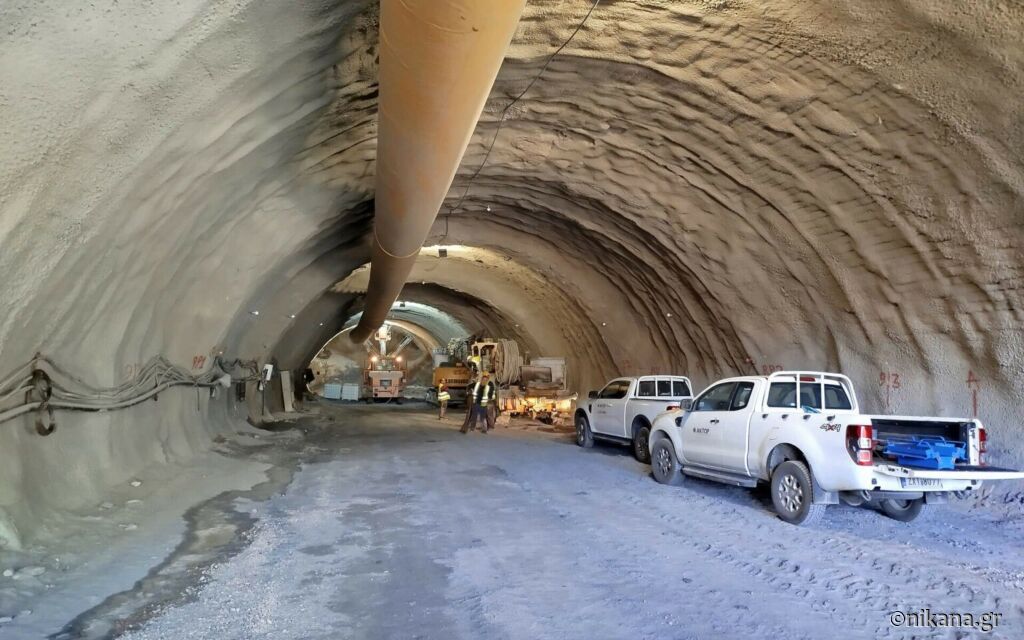
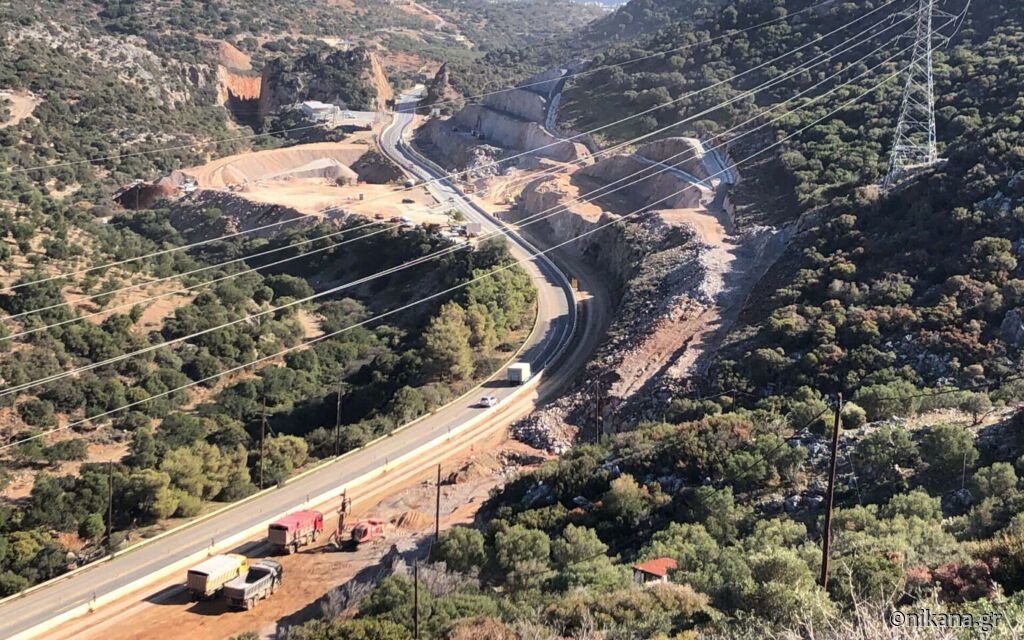
VOAK is a new, modern highway that will connect the western and central parts of the island - from the area around Chania, through Rethymno, to Heraklion - with an additional section towards Kissamos. The total length of the route will be around 187 kilometers. It is important to emphasize: this is not a reconstruction of an existing road, but a completely new road, designed according to the standards of modern European highways, with controlled entrances and exits, separated lanes, and modern safety solutions.
The largest infrastructure project in the history of Crete
This is a project of national importance for Greece, worth around two billion euros, being carried out through a long-term concession. The contract has been signed and ratified, and work has already begun on certain sections. The planned completion of the entire highway is by 2030, with phased construction - meaning that certain parts will be opened to traffic earlier.
How will the new road look?
VOAK is designed as a closed highway with high technical standards, which includes:
- 43 interchanges
- 23 tunnels
- 89 bridges
- 89 underpasses and 12 overpasses
- 18 “cut & cover” sections
It is particularly significant that the highway will be directly connected to the airport in Chania (Chania International Airport), which has not been the case to this extent before.
Another major change is the new airport
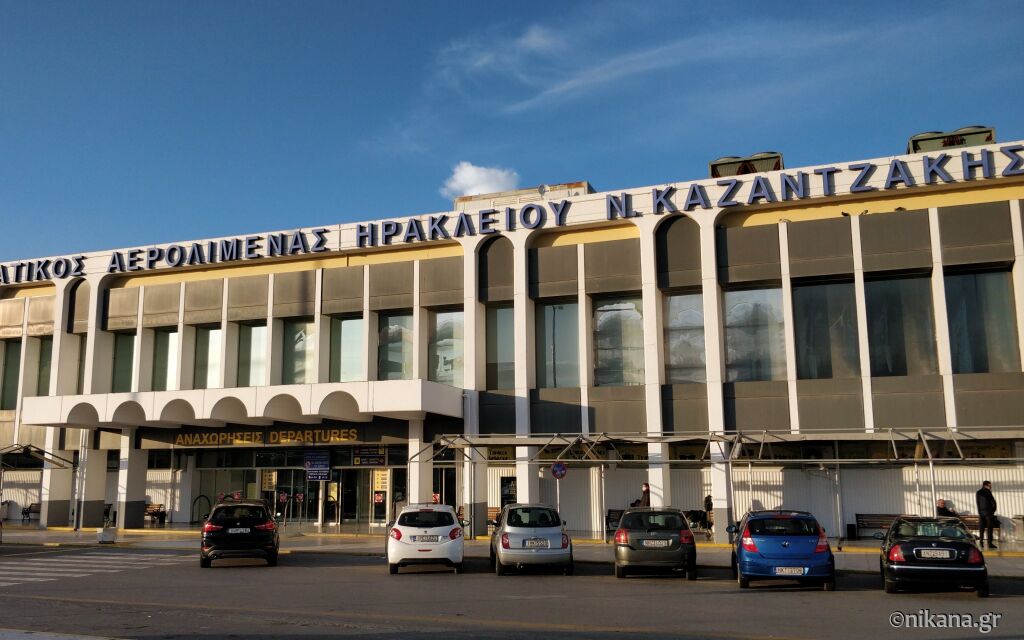
In addition to the highway, Crete is getting a completely new airport in Kasteli, which will completely replace the old “Nikos Kazantzakis”. The plan is to transfer all operations by 2027, which means that the old airport will go into well-deserved “history” as soon as the new one starts operating. It opened back in 1939 and is still the second busiest airport in Greece. Unfortunately, it did not have the technical capacity to expand further, so the new airport was relocated south of the city. The new airport will have a much larger capacity.
The essence of change:
- Location: The new airport is about 30 minutes south of Heraklion.
- Capacity: It is designed for 10-18 million passengers, which will finally solve the huge crowds at the old terminal that has been operating beyond its capacity for years.
- Connection: It will be directly connected to the new VOAK highway, making the transfer to hotels in other locations faster and simpler, despite the airport being physically a bit further from the sea (about 30 minutes from Heraklion).
What does this mean in practice for travelers?
Shorter and more predictable travel
One of the most concrete changes is the driving time: Chania - Heraklion: around 1 hour and 10 minutes. For those exploring Crete by car, this means:
- easier planning of daily excursions,
- less fatigue while driving,
- greater accessibility to different parts of the island during the same stay.
Increased safety
The existing northern road is considered one of the riskier ones in Greece. The new highway brings:
- separated lanes,
- elimination of dangerous intersections,
- modern signage and safety systems.
In other words, VOAK is not just a “faster road”, but a safer way to cross Crete lengthwise.
Crete as one entity - for the first time
Perhaps the most important change is not in minutes or kilometers. For the first time, the western and central parts of Crete will function as a unified, daily whole. Places that have seemed “far” so far will be realistically closer - both to the local population and to tourists. This fundamentally changes:
- everyday mobility,
- tourist routes,
- accessibility of smaller towns and beaches,
- but also the way Crete is experienced as an island.
What to know while the road is not finished?
It is important to be realistic and honest with travelers:
- VOAK is being built in phases and there will still be sections under construction for years.
- Traffic is currently still flowing on the existing road.
- The real change in daily driving will come gradually as new sections are opened.
Therefore, this is a project worth following, but not expecting that “everything will be finished immediately”.
Crete is not expanding - Crete is changing
The new highway is not just an investment in asphalt and concrete. It is an investment in safety, connectivity, and quality of life - for those living in Crete and those who keep coming back to it. And that is, ultimately, one of the biggest changes an island can experience.
Have you already experienced driving in Crete and which section was the most challenging for you? Write to us in the comments!
Photo Credits:
- Aerodrom „Nikos Kazantzakis“: Jcornelius / Wikimedia Commons / CC BY-SA 4.0
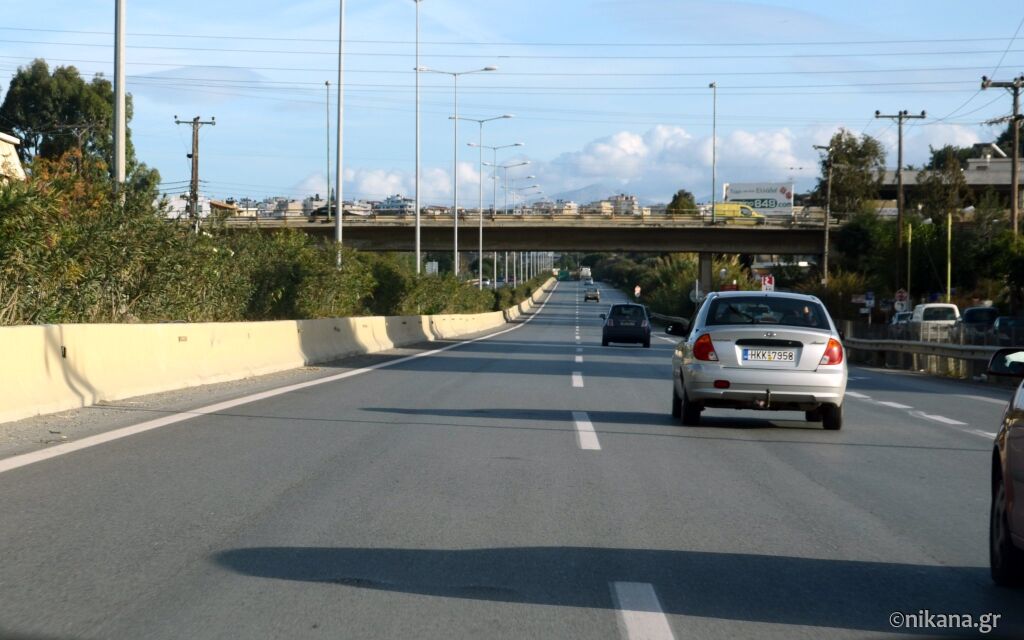
- Autoput A90 (Heraklion): Yianniskriti / Wikimedia Commons / Attribution
- Vizuelizacija VOAK projekta: ERED.gr i AKTOR Group
We are always here to help you explore Greece! Follow us for the latest information, useful tips, and authentic experiences to have an unforgettable holiday in Greece!
We offer over 3,000 accommodations. Choose the one that suits you and your family by clicking HERE.
+ You can have internet as soon as you cross the border by purchasing our card here: Nikana eSIM.
Follow us on social media where we regularly share exclusive offers, discounts, and special arrangements for holidays in Greece, as well as information, tips, and useful news. Facebook: Nikana.gr Instagram: @nikana.gr Tiktok: nikana.gr Facebook group: Live from Greece YouTube channel: @NikanaTravel Write to us via email: nikana@nikana.gr Visit our website nikana.gr for the leading source of information about Greece in the Balkans.


