


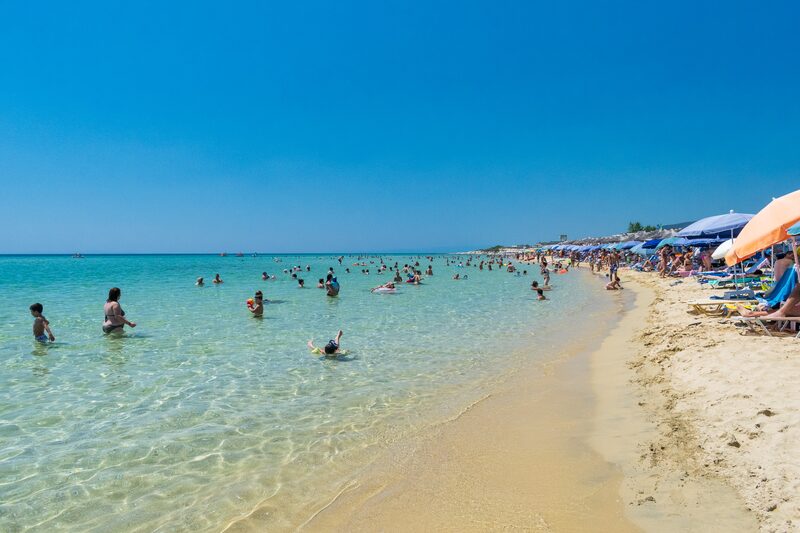
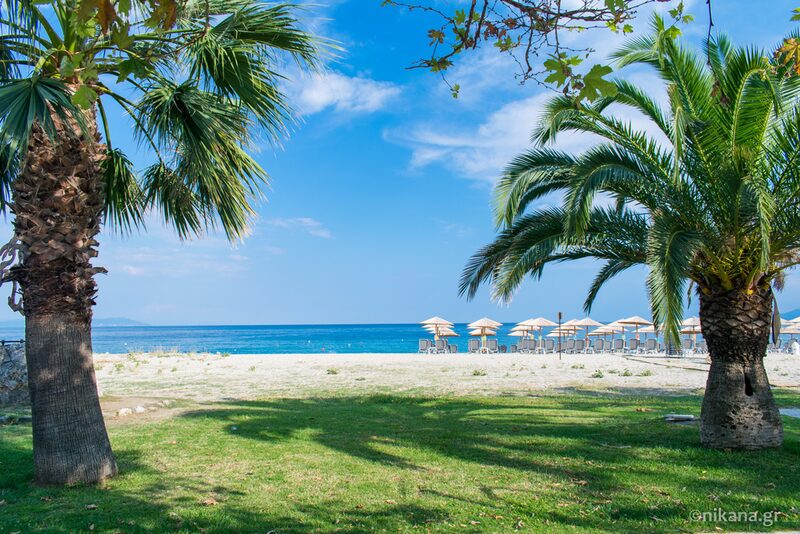
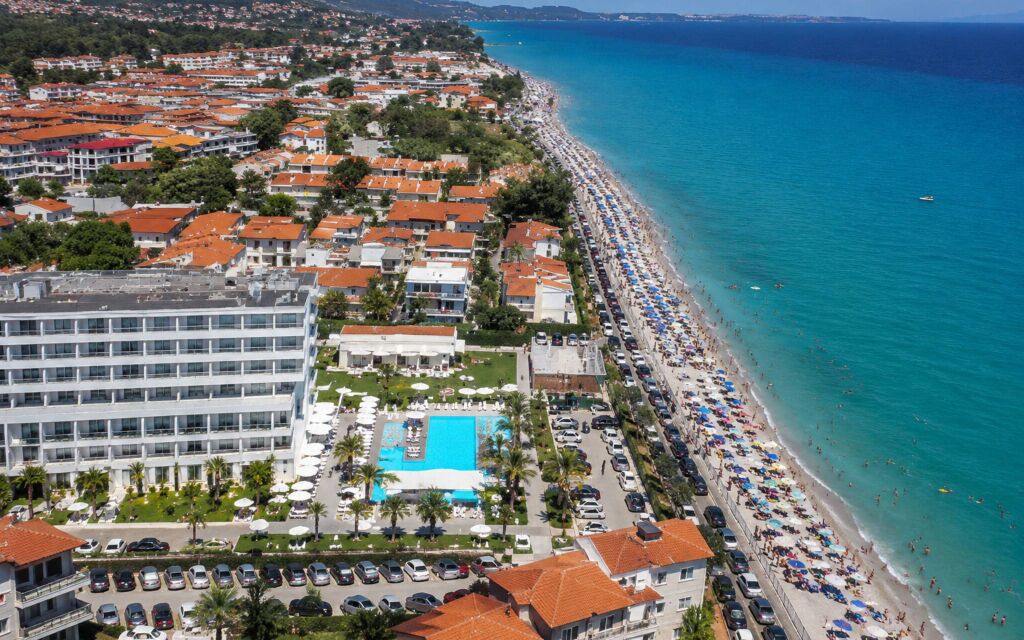
If you have spent your summers in recent years on Halkidiki, especially in Kassandra or Sithonia, you have probably noticed the same issues that the Greeks themselves have observed:
- an increasing number of crowds
- weaker water pressure during the season
- insufficient parking spaces
- more cars than ever
- an increasing number of apartments
- infrastructure struggling to keep up with the high number of people in the summer
And it is precisely for this reason that Greece is now preparing significant restrictions for new construction and tourism in Halkidiki.
The new Special Spatial Framework for tourism is currently in the consultation phase, and if adopted, it will bring serious changes for Kassandra and Sithonia in the coming years.
The Issue of Halkidiki: Small towns, a huge number of tourists
It is best seen through concrete examples.
Kassandra and Sithonia together have around:
- 25,000 permanent residents
But during the summer season, Halkidiki receives:
- over 1.2 million tourists in just three months
For instance, Polychrono has about:
- 1,000 residents
and during the peak season, it receives:
- up to 15,000 tourists daily
And that is where the biggest problem arises.
Many places in Halkidiki were built for a much smaller number of people than they receive today in July and August. Therefore, in the summer, there is:
- a significant burden on the water supply
- traffic jams
- lack of parking spaces
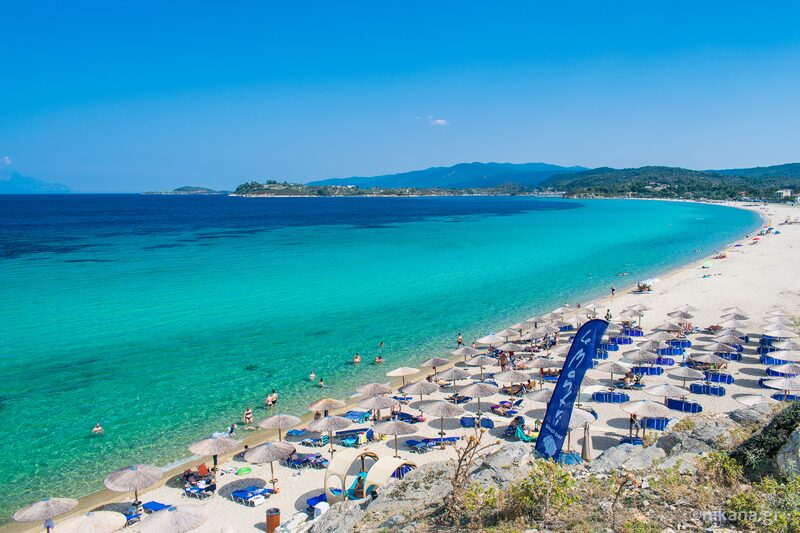
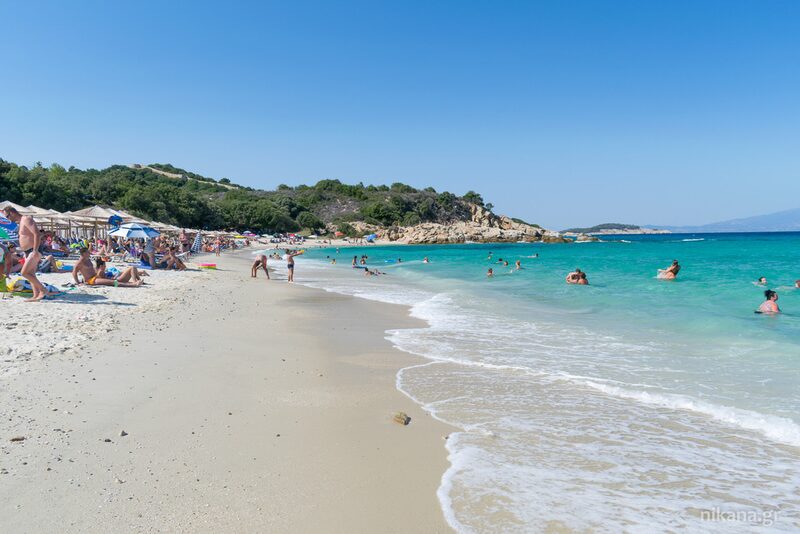
- excessive pressure on beaches and the coastline
In recent years, the number of new apartments, villas, and short-term rental properties has further increased this pressure.
What Greece is trying to change now
The new plan practically aims to slow down further uncontrolled construction and to link new investments with the realistic capacity of infrastructure.
In other words:
- it will no longer be sufficient to just have land and a building permit.
There must be enough:
- water
- sewerage
- infrastructure
- space and capacity for a place to withstand an additional number of tourists.
New hotels will have to prove that the infrastructure can support them
One of the biggest changes concerns new tourist facilities.
For every new hotel or tourist complex with more than:
- 50 beds
the investor will have to prove through a specific study that the place has enough:
- water
- sewerage
- waste management capacity
This particularly applies to smaller places with fewer than:
- 3,000 residents
which is crucial for a large part of Halkidiki.
New pools will have to use seawater
Due to the increasing problem of water scarcity during the summer, additional measures are being introduced.
According to the new rules:
- new pools will have to use seawater
- there will be mandatory rainwater collection reservoirs
The aim is to reduce the additional pressure on the city’s water supply during the season.
Restrictions for large hotels
The new plan introduces clear limits for large hotel projects for the first time.
In certain zones:
- the construction of hotels with more than 100 beds will no longer be allowed
In developed tourist areas:
- the maximum number will be 350 beds
In this way, the country is trying to prevent further spread of mass tourism in the most burdened parts of Halkidiki.
It will no longer be enough to have 4,000 square meters of land
Major changes also concern construction outside urban areas.
Until now, for many tourist projects, around:
- 4,000 m² of land has often been sufficient
According to the new plan, large hotels and resorts will require:
- from 12,000 to 16,000 m²
which is three to four times more than before.
The goal is to slow down excessive construction and reduce additional spatial burden.
Airbnb will face new restrictions
For the first time, short-term accommodation rentals will be more seriously regulated.
Municipalities like Kassandra and Sithonia will be able to:
- limit the number of properties for Airbnb
- introduce time restrictions for rentals
One option mentioned is:
- a maximum of 90 days of rental per year
In some oversaturated areas, it may even be possible to:
- completely stop issuing new permits for short-term rentals
Stricter protection of the coastline
The proposed law also brings new rules for construction along the coast.
New construction will not be allowed:
- within less than 25 meters from the shoreline
Exceptions will only be made for:
- infrastructure facilities
- access for persons with disabilities
The plan also includes mandatory passages to beaches to prevent the closure of access to the sea by large private parcels.
Why is this important for tourists
These changes are not only important for investors and accommodation owners.
They directly impact the quality of tourists’ vacations.
Because without enough:
- water
- parking
- roads
- sewerage
- space on beaches
even the most beautiful destinations begin to lose their quality for which people visit them.
Of course, it remains to be seen how strictly the new rules will be implemented in practice.
But it is clear that Greece is making a serious attempt for the first time to stop excessive construction and pressure on infrastructure in Halkidiki.
Note:
These are proposed measures that have not yet been finally adopted and may undergo changes during the consultation and law adoption process.
Planning a vacation in Greece?
On the website Nikana.gr you can find detailed guides, useful information, and a wide selection of accommodations for Halkidiki and the rest of Greece. For internet in Greece, the Nikana eSIM card is available. Follow us on social media where we regularly share current information, tips, and tourist experiences.
- Facebook: Nikana.gr
- Instagram: @nikana.gr
- Tiktok: nikana.gr
- Facebook group: Live from Greece
- YouTube channel: @NikanaTravel
- Email us at: nikana@nikana.gr
- Visit our website nikana.gr, the leading source of information about Greece in the Balkans.


